
 Chengdu GreenWater Co.,Ltd
Home
Library
Media
Water Treatment Aerators: Types, Applications, and Selection Guide
Water Treatment Aerator: Types, Applications, and Selection Guide
A Water Treatment Aerator is not only an oxygen supply device. In wastewater treatment and industrial water treatment, selecting the right Water Treatment Aerator is directly related to dissolved oxygen control, biological treatment efficiency, mixing performance, odor control, and long-term energy consumption. This guide compares the main types of Water Treatment Aerator and explains how to select suitable equipment for different water treatment applications.
What Is a Water Treatment Aerator?
A Water Treatment Aerator is equipment that introduces air, oxygen, or other process gases into water or wastewater. Its core function is to transfer oxygen from the gas phase into the water while agitating the water body, so that oxygen, pollutants, and microorganisms can fully contact each other.
Jet Aerator:
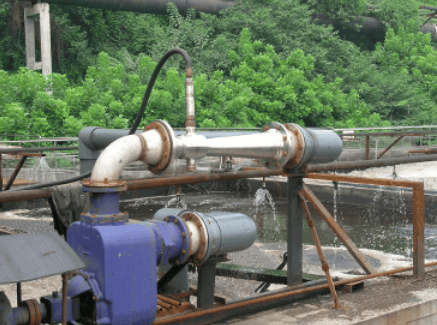
What Is aerator
An oxygen-supply process that introduces gas into water or another liquid to increase dissolved oxygen.
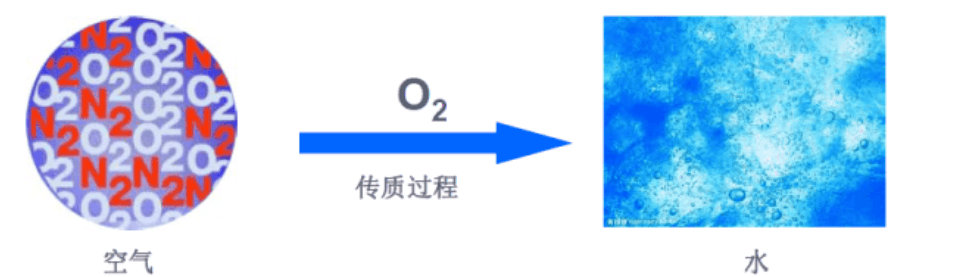
The key points of aerator are proper dosage and uniform mixing: neither excessive nor insufficient.
Aerator methods:
1. Air aerator - using natural air as the gas source, including pressurized and non-pressurized methods, and widely used in water treatment.
2. Pure oxygen aerator - using liquid oxygen or an oxygen generator as the gas source, generally with pressurized gas supply, and increasingly applied in higher-load systems.
Why aerator Is Crucial in Water Treatment
aerator is a core step in water treatment and wastewater treatment. Its role is not only to add oxygen to water, but more importantly to improve gas-liquid mixing, mass transfer, and hydraulic circulation, thereby allowing oxygen, pollutants, and microorganisms to contact fully and improving overall treatment efficiency.
In wastewater treatment, aerator is mainly used for the following purposes:
1. Providing oxygen for the oxidative decomposition of organic matter.
2. Creating an aerobic environment for aerobic microorganisms to survive and reproduce.
3. Ensuring full contact among organic matter, microorganisms, and oxygen.
Therefore, aerator supports aerobic microbial activity, accelerates the degradation of organic pollutants, and helps reduce the organic pollution load represented by BOD/COD.
Main Types of Water Treatment Aerator
Fine Bubble Aerator
A Fine Bubble Aerator is equipment used for aerator and oxygenation in water treatment. It disperses air or oxygen into a large number of small bubbles through aerator membranes, discs, tubes, or plates with fine pores, and then releases those bubbles into the water.
Characteristics of Fine Bubble Aerator:
The bubbles are small. Gas-liquid contact time varies with water depth, and mixing mainly depends on rising bubbles, so the mixing force is generally moderate. Because a clear water-gas interface exists, it is not suitable for high-salinity wastewater and is prone to scaling and clogging.
Its advantage is high initial mass transfer efficiency, but efficiency decreases as operating time increases. Maintenance cost is relatively high.
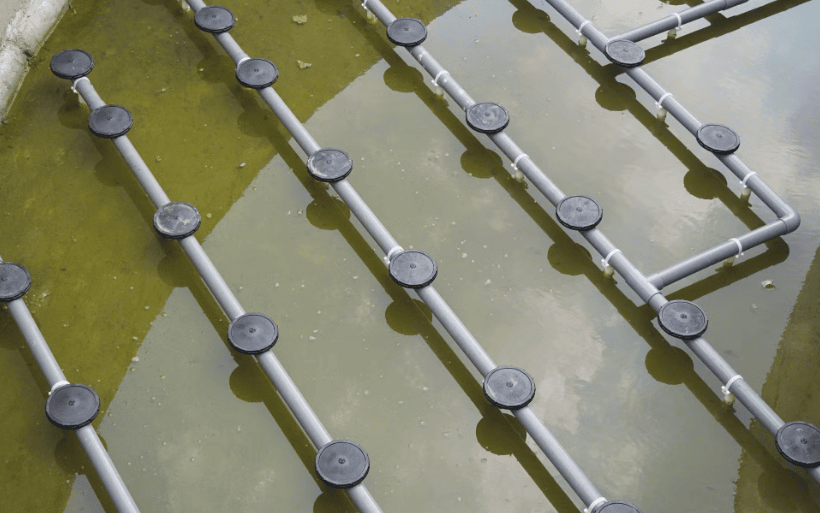
Coarse Bubble Diffuser
A Coarse Bubble Diffuser releases larger bubbles. Its oxygen utilization rate is relatively lower, but the bubble impact is strong, water disturbance is significant, clogging is less likely, mixing capacity is strong, and maintenance is simple. It is more suitable for equalization tanks, sludge tanks, grit chambers, and industrial wastewater scenarios with more impurities or higher clogging risk.
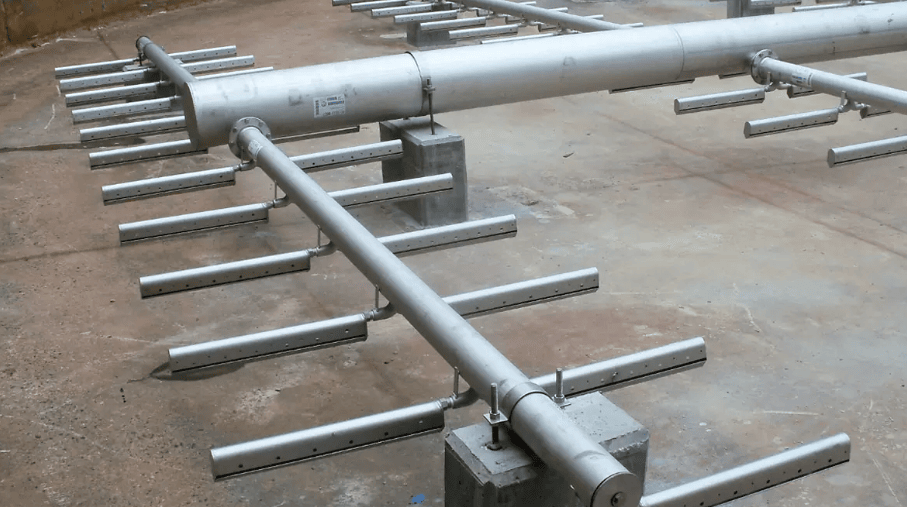
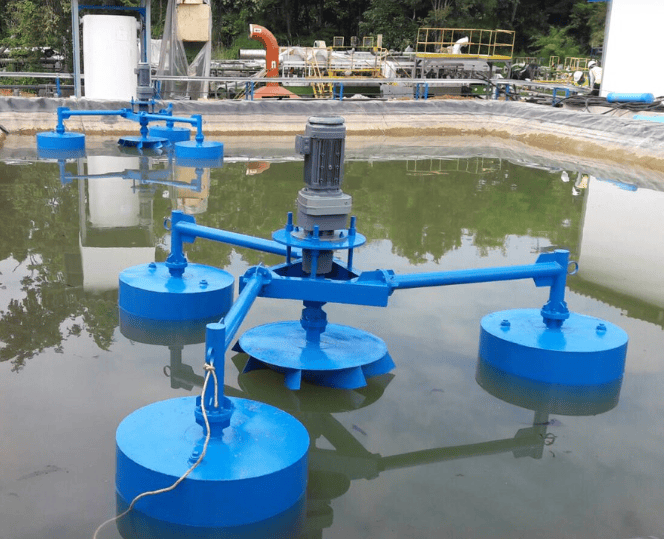
Surface Aerator
A Surface Aerator is aerator equipment installed on or near the water surface. It uses a motor to drive an impeller, disc, or brush to rotate at high speed, lifting and breaking up the water body and bringing it into contact with air, thereby achieving oxygenation, mixing, circulation, and flow pushing.
Surface Aerator is commonly used in oxidation ditches, aerator tanks, equalization tanks, landscape water bodies, aquaculture ponds, industrial wastewater, and municipal wastewater treatment.
Jet Aerator
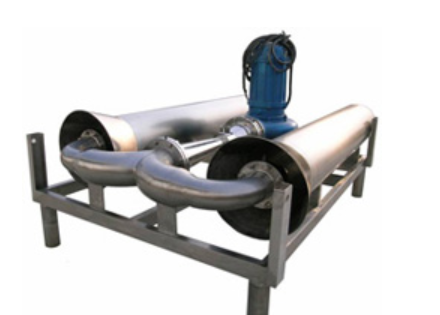
A Jet Aerator is a high-efficiency aerator device that uses high-speed water flow to generate negative pressure, draw in air, oxygen, or ozone, and complete gas-liquid mixing inside the mixing chamber. The equipment forms a high-speed jet through the nozzle. After the gas is drawn in, it is fully sheared and mixed with water, forming fine bubbles that diffuse into the water body to achieve oxygenation, mixing, oxidation, and mass transfer.
A Jet Aerator mainly consists of a water pump, Venturi jet ejector, enhanced nozzle, and optional secondary jet draft tube. After the mixed liquor, namely wastewater and sludge, is drawn in by the water pump, it is jet-mixed with air or oxygen inside the Venturi jet ejector to form supersaturated oxygen mixed liquor. It is then discharged through enhanced nozzles in the tank or through a secondary jet draft tube. The secondary jet from the enhanced nozzle recovers pump energy and forms an entrainment effect equivalent to five times the pump flow rate in the tank or draft tube, thereby creating a hydraulic circulating oxygenation process in the tank. This feature strengthens oxygen transfer efficiency in water, greatly improves oxygen utilization and oxygen transfer dynamic efficiency, and ensures the dissolved oxygen concentration required in the mixed liquor so that industrial wastewater and domestic wastewater can be treated efficiently.
Characteristics of Jet Aerator:
The bubbles are small. Gas-liquid contact time begins at the air inlet and includes the conveying time in horizontal and vertical pipelines, as well as the time for bubbles to diffuse and rise in water after being discharged through the enhanced nozzle. Among common aerator devices, the gas-liquid contact time is the longest. The enhanced nozzle performs secondary jet discharge at the bottom of the tank and provides strong mixing force.
There is no obvious water-gas interface, so it can be used for high-salinity wastewater. The large nozzle diameter is not easy to scale or clog. Mass transfer efficiency is high. Under correct installation conditions, the underwater part does not require maintenance or repair; only routine maintenance or repair of the external water pump is required.
Floating Aerator
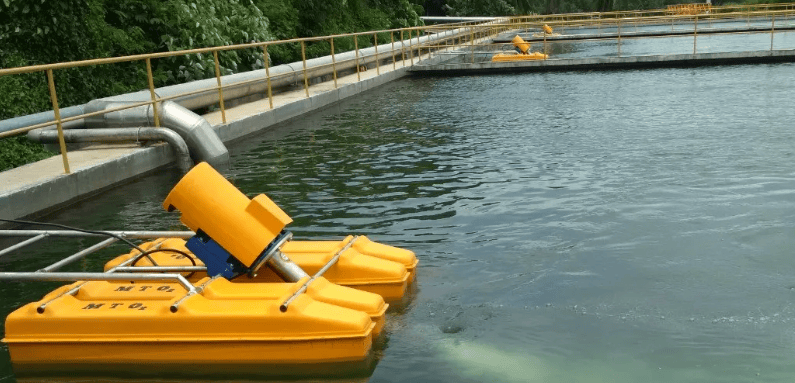
A Floating Aerator is aerator equipment that floats on the water surface. It is usually composed of floats, a motor, supports, an impeller, or a jet device. It does not need to be fixed at the bottom of the tank; after being placed on the water surface, it can be positioned with ropes, steel cables, or brackets.
It is mainly used in wastewater treatment tanks, oxidation ponds, equalization tanks, landscape lakes, river treatment, aquaculture oxygenation, and similar applications.
Performance Characteristics and Application Scenarios of Five Common Water Treatment Aerator Types
Water Treatment Aerator Comparison Table
Comparison dimensions: oxygen transfer efficiency, mixing capacity, maintenance difficulty, and applicable scenarios.
| Aerator type | Oxygen transfer efficiency | Mixing capacity | Maintenance difficulty | Applicable scenarios |
|---|---|---|---|---|
| Fine Bubble Aerator | High; small bubbles and large specific surface area, but long-term operation may reduce efficiency due to clogging and scaling. | General; mainly relies on rising bubbles to drive the water body. | High; prone to clogging, aging, and cracking, and usually requires shutdown for inspection or replacement. | Municipal wastewater, low salinity, low scaling risk, and aerobic tanks with fewer suspended solids. |
| Coarse Bubble Diffuser | Medium to relatively low; bubbles are larger, and oxygen utilization is usually lower than Fine Bubble Aerator. | Good; large bubbles create strong upward disturbance. | Medium; better clogging resistance than Fine Bubble Aerator, but energy consumption and oxygen utilization need to be balanced. | Equalization tanks, pre-aerator tanks, sludge mixing tanks, and scenarios requiring clogging resistance without extreme oxygen transfer requirements. |
| Surface Aerator | Medium; oxygenation depends on surface agitation and is strongly affected by water depth and surface disturbance. | Strong; can form surface circulation and local mixing. | Medium; mechanical parts such as motors, reducers, and impellers require maintenance. | Oxidation ditches, shallow tanks, retrofit projects for old wastewater plants, and scenarios requiring simple installation. |
| Jet Aerator | High; gas-liquid mixing is sufficient and gas-liquid contact time is long; suitable for air, pressurized air, pure oxygen, and other gas sources. | Strong; the jet can drive tank water circulation and provides both aerator and mixing. | Low; simple structure and little underwater maintenance, with maintenance focused on the pump and piping. | Industrial wastewater, high-salinity wastewater, high-load wastewater, equalization tanks, aerobic tanks, retrofit projects, and scenarios requiring strong mixing and clogging resistance. |
| Floating Aerator | Medium; usually based mainly on surface oxygenation or shallow-layer aerator. | Medium; suitable for local oxygenation and water circulation. | Low to medium; flexible installation, but floats, motors, and impellers require regular inspection. | Rivers, lakes, landscape water bodies, aquaculture water bodies, temporary oxygenation, or emergency oxygenation. |
Selection tip
If the project water quality is stable and the scaling risk is low, a Fine Bubble Aerator can provide higher oxygen transfer efficiency. If clogging resistance and mixing are more important, a Coarse Bubble Diffuser or Surface Aerator can be used as a comparison option. For industrial wastewater, high-salinity wastewater, high-load wastewater, old system retrofits, or scenarios requiring efficient oxygenation, strong mixing, low maintenance, and clogging resistance at the same time, a Jet Aerator is usually more suitable.
Application Fields of Water Treatment Aerator Equipment
Water Treatment Aerator equipment can be widely used in wastewater treatment, oxidation and disinfection, agricultural irrigation, water purification, oxygen enrichment, oxygenation, and process mixing.
Application fields are as follows:
1. aerator and oxygenation for various industrial and municipal wastewater treatment.
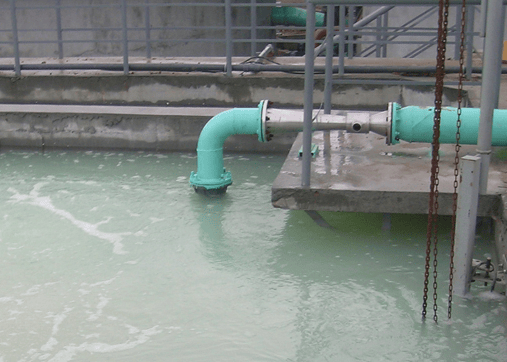
2. Pure oxygen jet aerator.
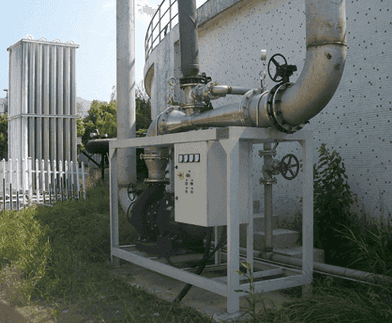
3. Ozone oxidation and disinfection, and chlorine dioxide dosing.
4. Agricultural irrigation and fertilization.
5. Iron and manganese removal oxygenation, air flotation gas addition, hydrogen sulfide removal, and odor control.
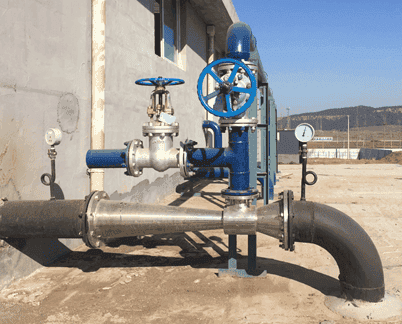
6. Oxygen enrichment in rivers, lakes, and tanks, and aquaculture oxygenation.
7. Ozone dosing and tail gas reuse.
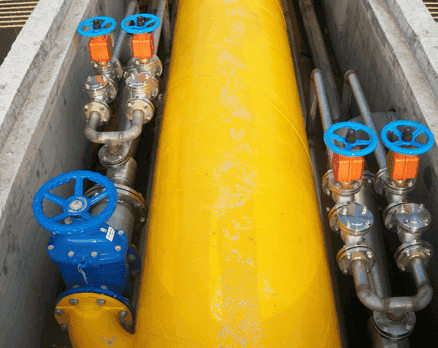
8. Mixing in tanks, storage vessels, and process circulation.
How to Choose the Right Water Treatment Aerator
To choose a suitable Water Treatment Aerator, the actual oxygen demand, aerator tank depth, water temperature, salinity, target dissolved oxygen, gas source method, mixing and agitation requirements, installation method, maintenance conditions, and oxygen transfer efficiency should be compared comprehensively. A suitable Water Treatment Aerator must not only meet the oxygenation requirement, but also provide sufficient mixing capacity and adapt to on-site water quality, tank type, operating pressure, and long-term maintenance requirements.
FAQ and Maintenance Recommendations
FAQ
Can aerator Remove Odor
aerator can remove odor. Water Treatment Aerator increases dissolved oxygen, improves the aerobic environment, and oxidizes odorous substances such as hydrogen sulfide, thereby reducing odors in wastewater, ponds, rivers, and industrial wastewater. For hydrogen sulfide odor, the aerator oxidation reaction can be expressed as: 2H2S + O2 -> 2H2O + 2S0
Which Aerator Is Best for Wastewater Treatment
In wastewater treatment, no single Water Treatment Aerator is suitable for all projects. Selection should consider oxygen demand, water depth, water quality, salinity, solids content, mixing requirements, maintenance conditions, and operating cost. Fine Bubble Aerator may be considered for general municipal wastewater; industrial wastewater, high-salinity wastewater, high-load wastewater, old system retrofits, and tanks requiring strong mixing are more suitable for Venturi Jet Aerator. They can provide oxygenation, mixing, clogging resistance, and lower maintenance at the same time.
What Does a Water Treatment Aerator Do in Water Treatment
In water treatment, a Water Treatment Aerator is used to oxygenate the water body, increase dissolved oxygen, support the growth of aerobic microorganisms, promote oxidative decomposition of organic matter, and help reduce BOD/COD. At the same time, a Water Treatment Aerator can also strengthen water mixing and circulation, oxidize iron, manganese, hydrogen sulfide, and other substances, and improve odor and overall water quality.
