
 Chengdu GreenWater Co.,Ltd
Home
Library
Media
What Is A Jet Pump And How Does It Work
What Is a Jet Pump? How Does a Jet Pump Work?
A jet pump, also known as an eductor, ejector, or injector, is a device that uses a pressurized motive fluid to entrain and transport a lower-pressure suction fluid. The motive fluid passes through a nozzle, accelerating and reducing its static pressure, creating a low-pressure zone in the suction chamber. The suction fluid then enters the device and mixes with the motive fluid in the throat, exchanging momentum. The mixed flow finally enters the diffuser section, where velocity decreases and part of the kinetic energy is converted back to pressure energy before discharge.
Industrial jet pumps typically have no impellers, motors, or other moving parts in the body. They require an external pump, compressor, or high-pressure process fluid to provide motive power, making them particularly suitable for gas-liquid mixing, liquid-liquid mixing, aeration, chemical dosing, vacuum generation, and hard-to-maintain operating conditions.
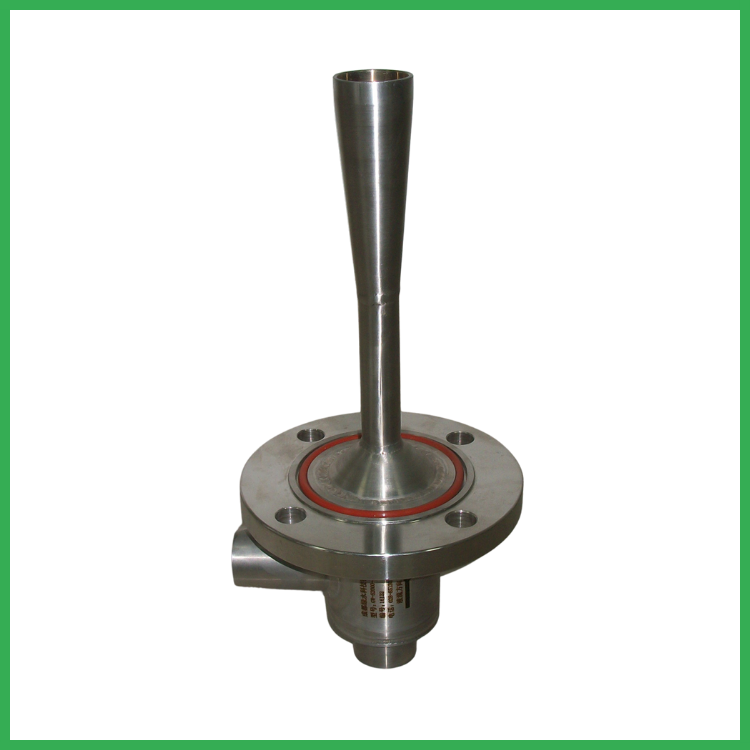
I. What Is a Jet Pump?
A jet pump is a fluid device that relies on momentum transfer from a fluid jet to achieve suction, mixing, pressurization, or transport. Unlike a centrifugal pump, which continuously imparts work to a liquid through a rotating impeller, a jet pump converts the existing pressure energy of the motive fluid into a high-speed jet, then uses that jet to drive a second fluid.
"Jet Pump" may refer to two related but not identical types of equipment in different fields:
1. Industrial jet pump / eductor: Consists of a nozzle, suction chamber, throat, and diffuser section, with no moving parts in the body. Can be used for gas-liquid or liquid-liquid ejection. This is the meaning adopted in this article and for the GW series products on this site.
2. Domestic shallow-well or deep-well jet pump: Typically combines a centrifugal pump, nozzle, and venturi assembly into a complete water supply unit. The motor and impeller first establish circulating motive water, and the jet assembly then generates suction.
Both utilize high-speed jets and low-pressure entrainment, but the equipment boundaries differ. Before selecting a product, confirm whether you need an industrial ejection and mixing device or a complete well water supply unit.
II. What Are the Components of a Jet Pump?
| Component | Primary Function |
|---|---|
| Motive Fluid Inlet | Receives water, liquid, steam, or gas with sufficient flow rate and pressure |
| Nozzle | Reduces the flow area, converting pressure energy into kinetic energy of a high-speed jet |
| Suction Inlet & Suction Chamber | Connects to the low-pressure medium and provides a passage for it to enter the main jet |
| Throat / Mixing Tube | Allows the motive fluid and suction fluid to exchange momentum and form a relatively uniform mixed flow |
| Diffuser Section | Gradually expands the flow passage, reduces the mixed flow velocity, and recovers part of the static pressure |
| Housing & Connections | Withstands pressure, secures internal structure, and connects upstream and downstream piping |
The nozzle outlet area, throat area, and the area ratio between them directly affect suction capacity, allowable back pressure, efficiency, and cavitation resistance. Industrial selection cannot rely solely on connection diameter.
III. How Does a Jet Pump Work?
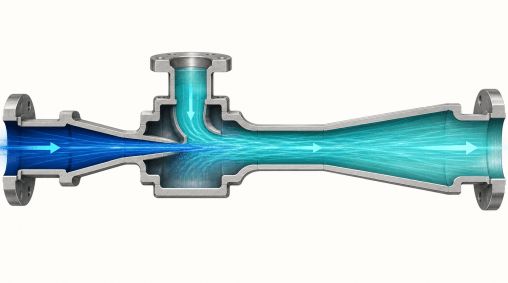
Figure 2: The motive fluid enters the nozzle from the left, the suction fluid enters the suction chamber from above, the two fluids mix in the throat, and exit through the diffuser section on the right.
The complete working process of a jet pump can be divided into five steps:
1. Motive Fluid Entry
An external pump or process system delivers motive fluid with a certain pressure and flow rate into the jet pump. At this stage, the fluid is typically in a relatively high static pressure, low velocity state.
2. Nozzle Acceleration and Low-Pressure Zone Creation
As the motive fluid passes through the converging nozzle, the flow area decreases, velocity increases significantly, and static pressure drops accordingly. When the high-speed jet enters the suction chamber, a low-pressure zone forms near the nozzle outlet.
The phenomenon often summarized as the "Venturi effect" is only part of this process; a jet pump truly achieves transport through jet entrainment, turbulent mixing, and momentum transfer.
3. Entrainment of the Second Fluid
When the pressure in the suction chamber is lower than the pressure in the container or pipeline holding the suction fluid, the pressure difference drives gas or liquid through the suction inlet. The suction fluid can be air, oxygen, ozone, process gas, water, or chemical solution.
4. Mixing and Momentum Transfer in the Throat
The high-speed motive jet transfers part of its momentum to the suction fluid. The two fluids shear, break up, and mix in the suction chamber and throat, gradually approaching a common velocity. In gas-liquid applications, proper design helps disperse the gas into fine bubbles; in liquid-liquid applications, it enhances dilution and mixing.
5. Diffusion and Discharge
After the mixed flow enters the gradually expanding diffuser section, it decelerates, and part of the kinetic energy is recovered as static pressure. The recovered outlet pressure must overcome the back pressure caused by installation depth, downstream piping, valves, and equipment to maintain stable operation.
The energy path can be summarized as:
Motive fluid pressure energy → High-speed kinetic energy in the nozzle → Entrainment and mixing → Partial pressure recovery in the diffuser
A jet pump does not create energy out of nothing. Increasing suction capacity or overcoming higher discharge back pressure typically requires more motive flow, higher inlet pressure, or a more suitable nozzle-throat combination.
IV. What Are the Types of Jet Pumps?
1. Liquid-Gas Jet Pump
Uses pressurized liquid as the motive fluid to entrain air, oxygen, ozone, or other gases. Suitable for wastewater aeration, oxidation, ozone dosing, and gas-liquid mass transfer. The typical applications of the GW series in water treatment fall into this category.
2. Liquid-Liquid Jet Pump
Uses one liquid to entrain another liquid. Can be used for chemical dosing, dilution, mixing, circulation, and drainage. When selecting, always provide the density, viscosity, temperature, and corrosivity of the suction liquid.
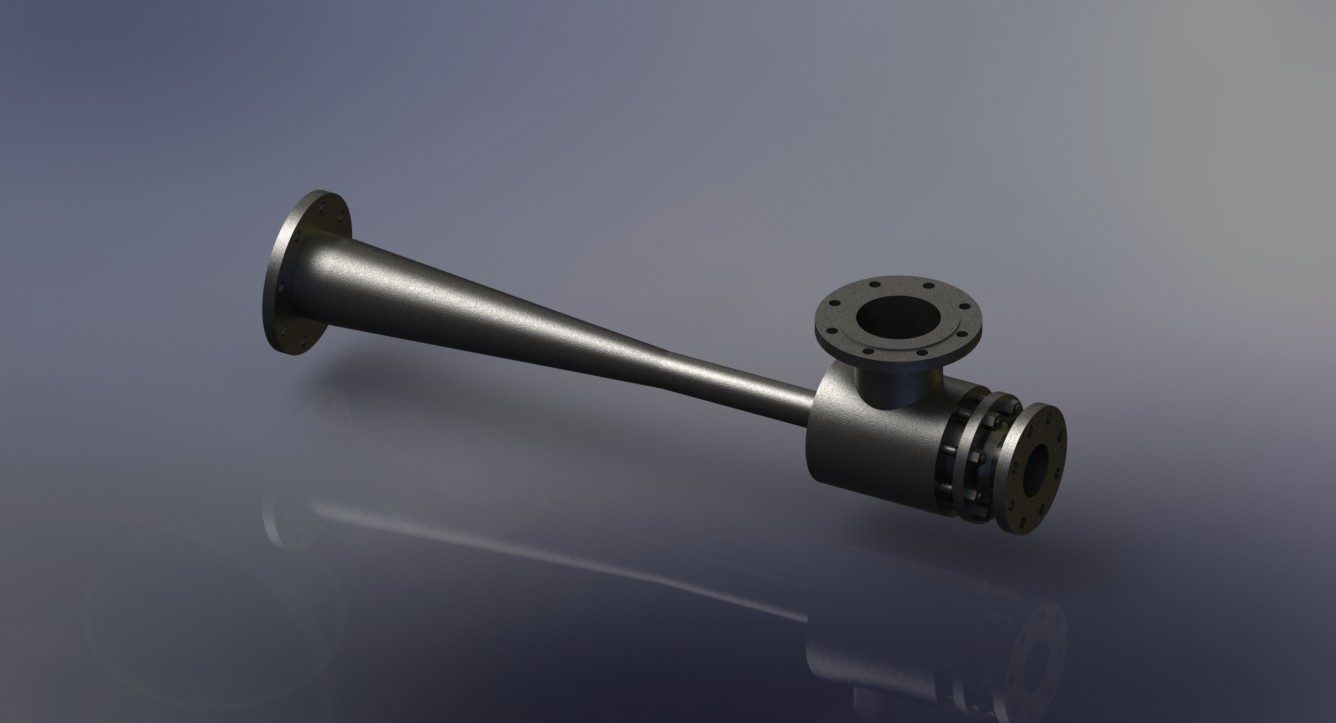
3. Gas-Gas or Steam Ejector
Uses compressed gas or steam to entrain low-pressure gas. Commonly used for vacuum generation, tail gas extraction, and process gas transport. The compressible flow, critical pressure, and noise calculations differ from those of liquid-driven jet pumps and require specialized design.
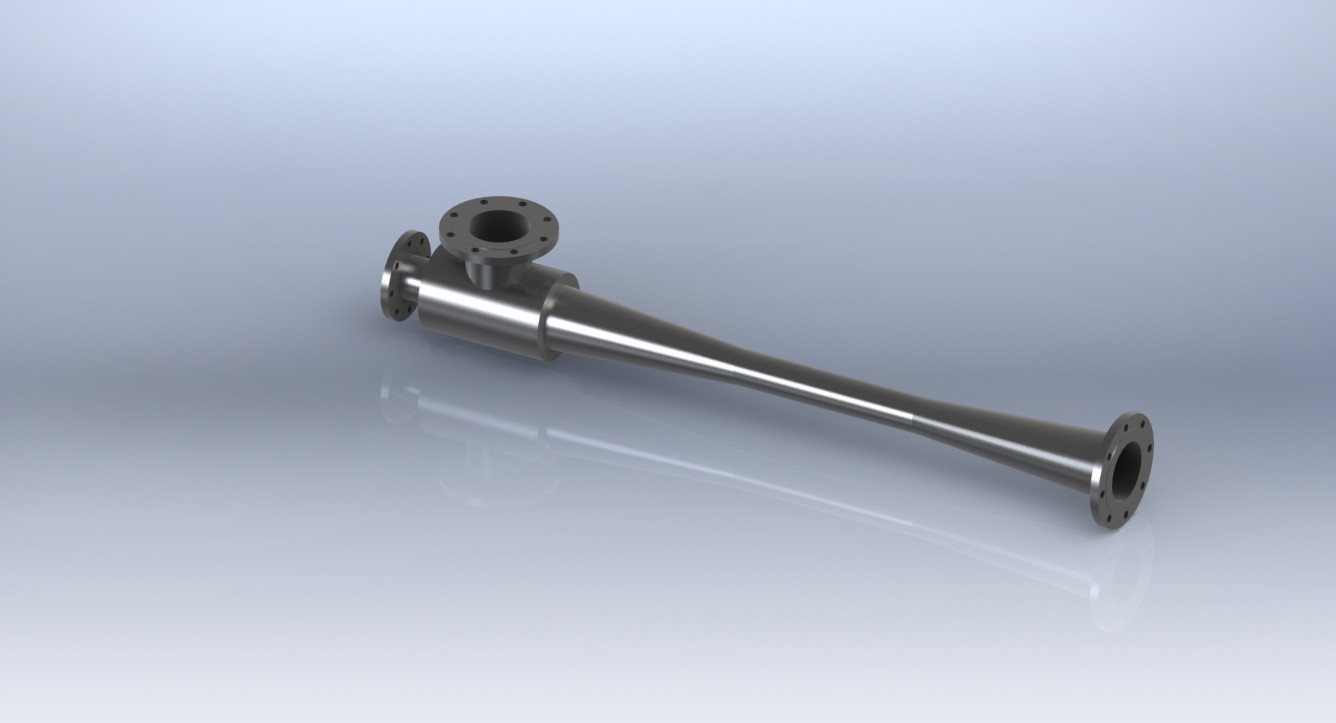
4. Well Jet Pump System
A centrifugal pump provides circulating motive water, and the nozzle-venturi assembly provides suction. Can be divided into shallow-well and deep-well types. It is related in principle to industrial motionless ejectors, but the system configuration, performance indicators, and selection methods differ.
V. What Are the Applications of Jet Pumps?
- Introduction of air, pure oxygen, or ozone in wastewater treatment;
- Jet aeration and high-efficiency gas-liquid mixing;
- Chemical suction, dilution, and inline blending;
- Tank circulation, homogenization, and anti-sedimentation mixing;
- Transport of corrosive, solids-laden, or hard-to-access fluids where rotating equipment is impractical;
- Industrial vacuum generation, exhaust, and tail gas recovery;
- Downhole jet lift in oil production;
- Well water supply, irrigation, and local boosting systems.
When used for aeration, the jet pump is only one part of the system. The circulation pump, gas supply method, operating water depth, terminal nozzle, tank flow field, and control strategy collectively determine oxygen transfer and energy consumption. A single "maximum gas suction rate" cannot substitute for system design.
VI. Advantages and Limitations of Jet Pumps
Key Advantages
- No moving parts in the body: Simple structure, minimal mechanical wear, suitable for continuous operation and hard-to-maintain locations;
- Simultaneous suction and mixing: Gas or liquid contacts the motive fluid immediately upon entry;
- Strong media adaptability: With appropriate material selection, can handle corrosive or solids-containing media;
- Flexible installation: Can be installed in main line, bypass, external to tank, or combined with aeration systems;
- Good sealing: Design eliminates leakage points associated with shaft seals;
- Easy parallel operation and regulation: Multiple units can be combined to accommodate zoned and variable-load conditions.
Key Limitations
- A stable motive fluid supply is essential; the system still requires a pump, compressor, or high-pressure process source;
- Energy conversion involves losses; not all operating conditions are more energy-efficient than mechanical pumps;
- Suction capacity is highly sensitive to inlet pressure, motive flow, suction inlet pressure, and discharge back pressure;
- Nozzle or throat clogging and wear will alter performance;
- Excessively low suction pressure may cause cavitation, resulting in noise, vibration, and capacity loss;
- When media properties or operating conditions change significantly, the performance curve must be re-evaluated.
VII. Key Parameters Affecting Jet Pump Performance
1. Motive flow rate and inlet pressure: Determine the energy available for conversion;
2. Target suction capacity: Distinguish between gas suction rate and liquid suction rate; they cannot be used interchangeably;
3. Suction inlet absolute pressure: Includes natural suction, pressurized gas supply, suction lift, and piping losses;
4. Discharge back pressure: Composed of installation depth, downstream piping, and equipment resistance;
5. Nozzle-to-throat area ratio: Affects entrainment ratio, pressure rise ratio, efficiency, and cavitation margin;
6. Media properties: Density, viscosity, temperature, gas state, solids content, and corrosivity;
7. Altitude and environmental conditions: Affect atmospheric pressure, natural suction capacity, and gas volumetric flow;
8. Suction piping: Excessive length, undersized diameter, too many elbows, insufficient valve opening, or leaks all reduce capacity.
VIII. How to Select the Right Jet Pump?
Follow this selection sequence:
1. Clearly identify what the motive fluid and suction fluid each are;
2. Determine the target suction rate, mixing objective, or oxygenation target;
3. Provide motive flow rate, inlet pressure, and temperature;
4. Calculate suction inlet absolute pressure, suction lift, and suction piping loss;
5. Calculate discharge back pressure, including water depth and all downstream resistances;
6. Initially select nozzle, throat, and equipment model based on performance curves;
7. Verify cavitation, materials, connections, installation space, and maintenance conditions;
8. Calculate the flow, head, power, and regulation range of the supporting motive equipment;
9. During commissioning, measure inlet pressure, motive flow, suction rate, and discharge pressure.
For the GW series model range, gas/liquid suction parameters, connection sizes, and selection data sheets, please refer to the GW Series Ejector Selection Guide on this site.
IX. Common Operating Issues and Troubleshooting
| Symptom | Common Causes | Recommended Checks |
|---|---|---|
| No gas or liquid suction | Insufficient motive pressure, excessive back pressure, suction line blockage or leakage | Measure pressures at all three connections; check valve positions and airtightness |
| Low suction capacity | Low motive flow, nozzle wear, high suction resistance | Verify operating point; inspect nozzle and suction line |
| Increased noise or vibration | Cavitation, unstable two-phase flow, loose supports | Check absolute pressure and cavitation margin; inspect fixtures |
| Insufficient discharge pressure | Damaged diffuser, off-design operation, changed downstream resistance | Inspect internal structure and recalculate system resistance |
| Gradual performance decline | Scaling, deposition, clogging, or corrosion | Establish flushing and periodic inspection schedules |
X. Frequently Asked Questions (FAQ)
1. Does a jet pump require a motor?
An industrial jet pump body typically does not require a motor, but it must be supplied with pressurized motive fluid by external equipment. If the circulation pump is counted as part of the complete system, the system still requires energy input.
2. Are a jet pump and a venturi tube the same thing?
Not exactly the same. Both involve acceleration and pressure reduction caused by flow passage contraction, but a complete jet pump also includes an independent suction inlet, suction chamber, mixing throat, and diffuser section, and uses momentum exchange to continuously entrain a second fluid.
3. Can a jet pump handle both gas and liquid suction?
Yes, but gases and liquids differ in density, compressibility, and flow characteristics. Corresponding performance data and configurations must be used; air suction parameters cannot be directly applied as liquid suction parameters.
4. Is a jet pump a self-priming pump?
A jet pump can use its jet to generate suction capability, but whether "self-priming" is achieved depends on system configuration, initial filling, sealing, and installation conditions. Industrial eductors are not the same type of complete machine as self-priming well pumps with accumulator tanks on the market.
5. Is a jet pump highly efficient?
Its advantages lie primarily in reliability, no moving parts, and the ability to simultaneously perform suction and mixing, rather than having the highest pumping efficiency under all operating conditions. Compare the overall system's power consumption, mass transfer effectiveness, maintenance costs, and operational reliability.
6. Why is discharge back pressure so important?
A jet pump can only recover part of the pressure in the diffuser section. Excessive discharge back pressure compresses the available pressure differential, causing reduced suction capacity and, in severe cases, complete cessation of ejection.
XI. Conclusion
The core of a jet pump is not rotating machinery, but rather four continuous processes: nozzle acceleration, low-pressure entrainment, throat mixing, and diffuser pressurization. The motive fluid transfers energy and momentum to the suction fluid, enabling the device to accomplish suction, mixing, and transport without internal moving parts.
For water treatment and industrial mixing projects, reliable selection must simultaneously establish the three pressure boundaries | motive inlet, suction inlet, and discharge outlet | and comprehensively evaluate flow rate, media, nozzle-throat geometry, cavitation, and materials. Selecting a jet pump based solely on pipe diameter or "maximum gas suction rate" often fails to yield a stable operating point.
Company Information
Company Website: https://cd-greenwater.com
Technical Contact Number: 028-85130135
Customer Service Contact Number: 18515915124
Contact Email: jane1984@cd-greenwater.com
Address: No. 191, Section 1, Changcheng Road,
Xihanggang, Shuangliu District, Chengdu City
